admin_en
شوبات 19, 2022 Ancient history of Kurdistan, History of Kurdistan
2,437
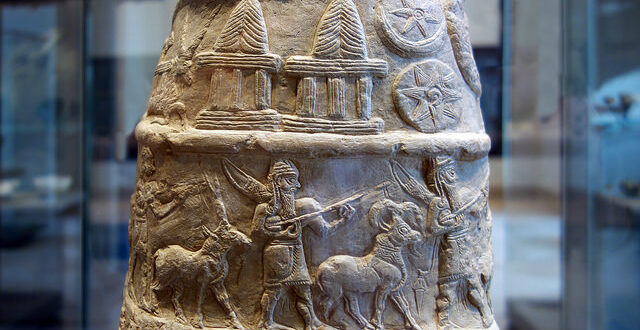
Artistic Exchange During the 2nd millennium, the region of Mesopotamia, with Assyria in the north and Babylonia in the south, together with Egypt and the Hittite lands in what is now modern Turkey, grew strong and exercised surprisingly harmonious political relations. For art, this meant an easy exchange of ideas and …
Read More »
admin_en
شوبات 17, 2022 Kurdistan history photos
2,811
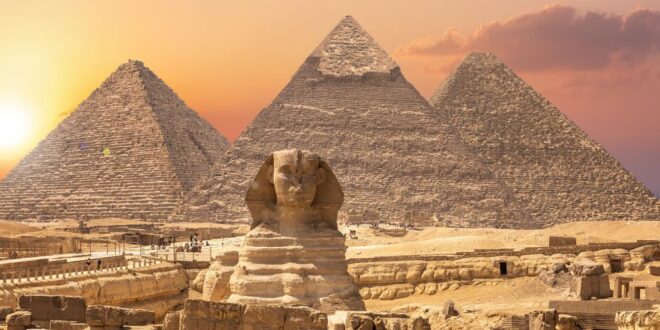
Smithsonian Journeys Ancient Egypt and the Nile Virtual Tour 0
Read More »
admin_en
شوبات 17, 2022 History of Kurdistan
3,389
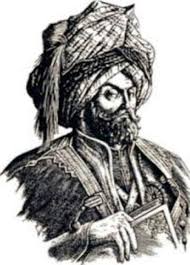
Sharaf al-Din Khan b. Shams al-Din b. Sharaf Beg Bedlisi was a Kurdish Emir of Bitlis. He was also a historian, writer and poet. He wrote exclusively in Persian. Born in the Garmrood village, in central Iran, between Arak and Qom, at a young age he was sent …
Read More »
admin_en
شوبات 17, 2022 History of Kurdistan
4,317
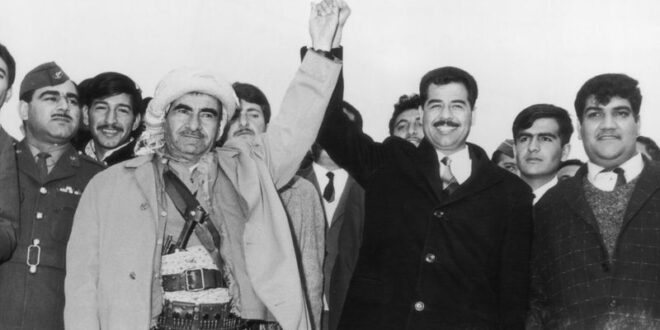
IMAGE SOURCE,HULTON ARCHIVE Image caption, A peace deal agreed by the KDP and Iraq’s government in 1970 collapsed four years later Kurds make up an estimated 15% to 20% of Iraq’s population. They have historically enjoyed more national rights than Kurds living in neighbouring states, but also faced brutal repression. …
Read More »
admin_en
شوبات 17, 2022 History of Kurdistan
3,311
Between 25 and 35 million Kurds inhabit a mountainous region straddling the borders of Turkey, Iraq, Syria, Iran and Armenia. They make up the fourth-largest ethnic group in the Middle East, but they have never obtained a permanent nation state. Where do they come from? The Kurds are one of …
Read More »
admin_en
شوبات 15, 2022 Kurdistan Mid-decade history
3,976
After the Mongol period, Kurds established several independent states or principalities such as Ardalan, Badinan, Baban, Soran, Hakkari and Badlis. A comprehensive history of these states and their relationship with their neighbors is given in the famous textbook of Sharafnama written by Prince Sharaf al-Din Biltisi in 1597. The most prominent among these was Ardalan which was established in the early 14th century. The state …
Read More »
admin_en
شوبات 15, 2022 Kurdistan history photos
3,058
The Middle East, c. 1190. Saladin’s empire and its vassals shown in red; territory taken from the Crusader states 1187–1189 shown in pink. Light green indicates Crusader territories surviving Saladin‘s death. 0
Read More »
admin_en
شوبات 15, 2022 History of Kurdistan
4,248
Kurdish people, , Gelê Kurd), are an Iranian[1][2][3] ethnic group in the Middle East. They have historically inhabited the mountainous areas to the south of Lake Van and Lake Urmia, a geographical area collectively referred to as Kurdistan. Most Kurds speak Northern Kurdish (Kurmanji) or Sorani, which both belong to the Kurdish languages. There are various hypotheses as to …
Read More »
admin_en
شوبات 12, 2022 Ancient history of Kurdistan, History of Kurdistan
3,123
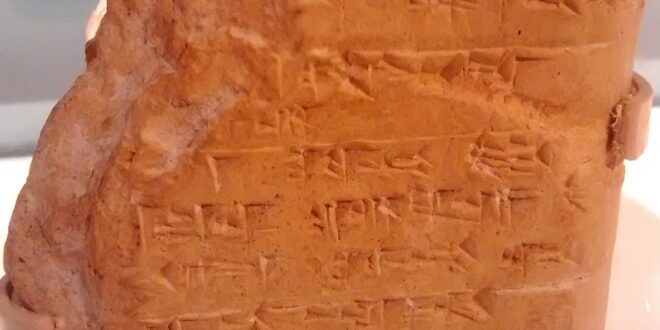
Hittite (natively 𒉈𒅆𒇷 nešili / “the language of Neša“, or nešumnili / “the language of the people of Neša”), also known as Nesite (Nešite / Neshite, Nessite), was an Indo-European language that was spoken by the Hittites, a people of Bronze Age Anatolia who created an empire centred on Hattusa, as well as parts of the northern Levant and Upper Mesopotamia.[1] The language, now long extinct, is attested in cuneiform, in …
Read More »
Usama
تشرینی دووهم 6, 2020 Documents, Kurdistan Mid-decade history
4,308
Abu’l-Aswar or Abu’l-Asvar Shavur ibn Fadl ibn Muhammad ibn Shaddad was a member of the Shaddadid dynasty. Between 1049 and 1067 he was the eighth Shaddadid ruler of Arran (today in western Azerbaijan) from Ganja. Prior to that, he ruled the city of Dvin (in what is now Armenia and …
Read More »
 History of Kurdistan